




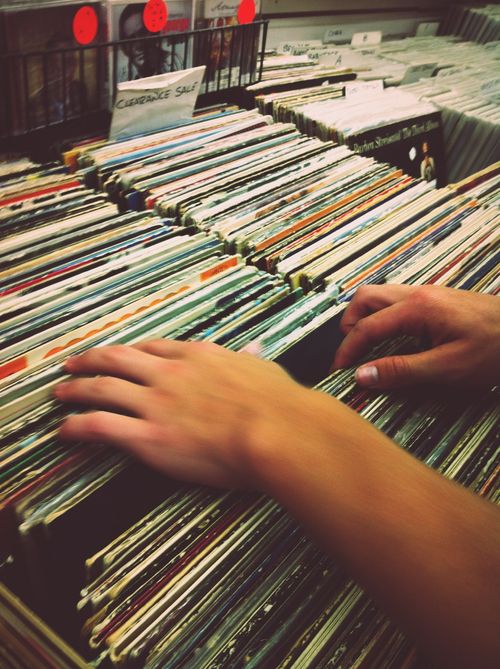
Sampling has always been at the heart of hip hop production. Long before massive sound libraries existed, producers were digging through vinyl, searching for textures, melodies and moments that could be transformed into something new.
The real art of sampling does not come from simply dragging a loop into a DAW. It comes from chopping, reshaping and reinterpreting a sound until it becomes part of a completely new musical idea.
Understanding how to chop samples properly is one of the most powerful skills a producer can develop.
What Makes a Sample Perfect for Chopping
Not every sound works well when it comes to chopping. The best samples usually contain a few key characteristics.
They have space between notes so the individual parts can be isolated easily.
They have strong harmonic character so even small chops still sound musical.
They contain texture and movement that bring life to the final beat.
Old recordings, dusty instruments and analog recordings often work extremely well because they already contain natural imperfections and tone.
Classic Chopping Techniques
There are several ways producers approach chopping.
One method focuses on cutting samples directly on the transients. This allows the producer to trigger each note or sound individually.
Another approach is chopping by musical phrases. Instead of slicing every sound, the producer divides the sample into sections that can be rearranged to form a completely different groove.
Some producers intentionally chop slightly off grid to keep the groove feeling human and raw.
Each technique creates a different feel and workflow.
The Underground Producer Workflow
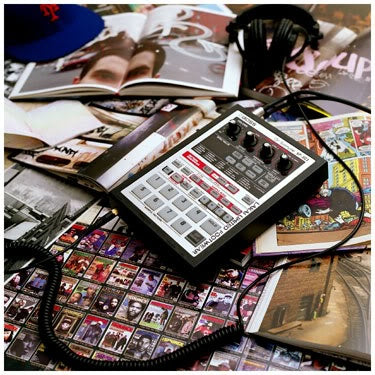
Many producers working with MPCs, SP samplers or similar hardware rely heavily on resampling. A sample might be chopped, pitched, layered and then recorded again as a new sound.
This process creates character and depth that often cannot be replicated with simple drag and drop workflows.
Pitch shifting, filtering and saturation also play a big role in shaping the final texture of a beat.
Common Sampling Mistakes
A very common mistake is relying too heavily on full loops instead of manipulating them creatively.
Another problem is choosing samples that already sound too polished. When a sound has no texture or imperfections it becomes harder to flip it into something unique.
The best producers treat samples like raw material rather than finished loops.
Finding Better Samples
The quality of the source material always matters. Sounds with character, emotion and texture make the creative process much more inspiring.
Libraries built with producers in mind provide the type of material that can be chopped, pitched and transformed naturally inside samplers and DAWs.


Share:
Drum Breaks vs One Shots for Boom Bap: Which Is Better?
How to Pitch Samples for Boom Bap: Semitones, Tempo and Texture