





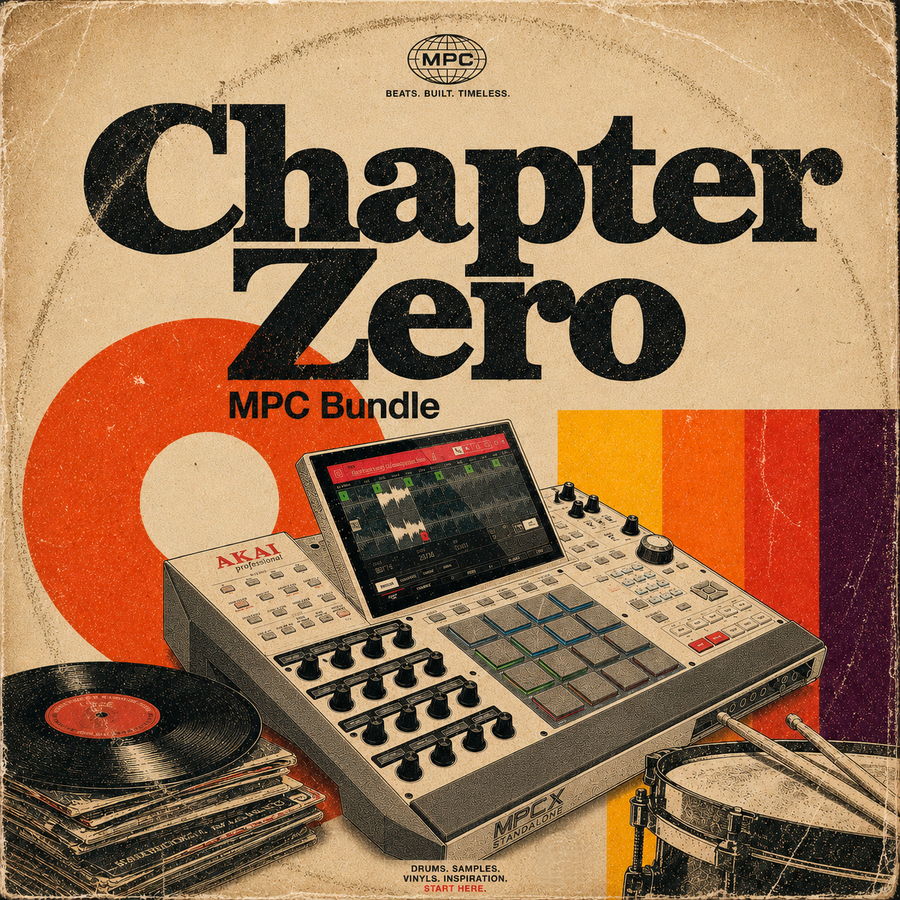
The MPC has been one of the most important tools in hip hop production for decades. From classic boom bap records to modern underground releases, its workflow continues to influence how producers build beats.
Learning the MPC approach can dramatically change how you think about rhythm, sampling and arrangement.
Starting With Raw Material
Most beats start with a sample or melodic idea. The first step usually involves chopping the sound into playable sections.
Instead of relying on full loops, the MPC workflow encourages producers to treat samples like instruments.
Each pad becomes a piece of the puzzle.
Building the Drum Foundation
Drums are the backbone of the beat. A strong kick and snare combination establishes the groove and energy.
Producers often layer multiple drum sounds to create a more powerful hit.
Swing settings also play a major role in giving the beat its signature feel.
Adding Musical Elements
Once the rhythm is in place, additional elements can be introduced.
Chopped melodies, bass lines and textures are layered to create movement and emotion.
The key is keeping space in the mix so every element has room to breathe.
Resampling for Character
One of the most powerful MPC techniques is resampling.
By recording the beat internally and processing it again, producers can add saturation, compression and texture that give the music a unique sonic identity.
This process often separates professional sounding beats from generic productions.



Share:
Alchemist x Daringer x Griselda Drum Kit: The Gems Definitive Edition
Building a Personal Sample Library as a Producer