


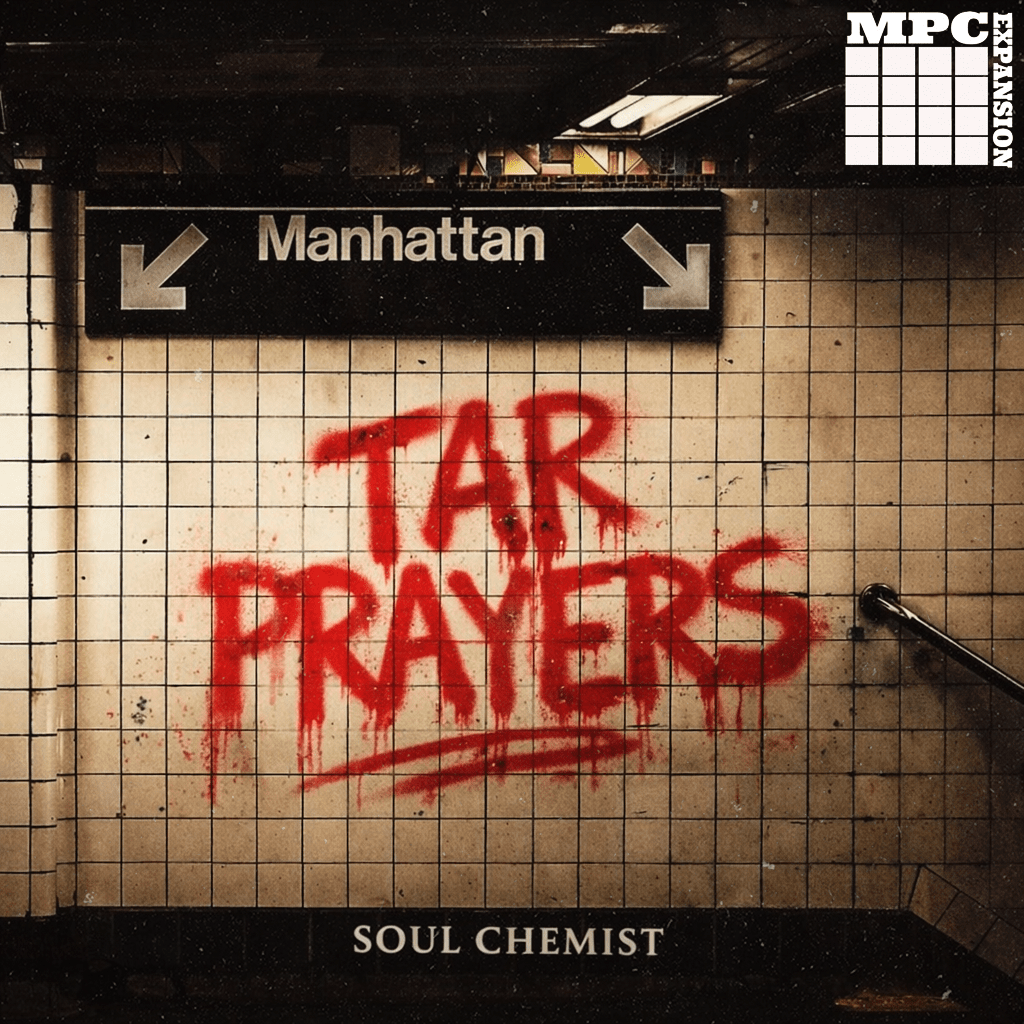
Tar Prayers: How We Built This Dark Boom Bap MPC Expansion From Scratch
A complete breakdown of the process, the machines and the sound design choices behind the new MPC expansion inspired by the universe of The Alchemist, Daringer and Griselda.
Introduction
There is a very specific sound that has defined the darkest corner of boom bap over the last decade. That sticky, slow, almost liturgical tone where the drums weigh more than the melody and where every loop feels like it has been sitting on tape for twenty years. It is the sound of the Griselda universe. It is the sound of Alfredo. It is the sound that has redefined underground production.
Tar Prayers exists to drop that exact sound straight into your MPC, with no setup, no folder hunting and no guesswork. You open the expansion and you start making beats.
In this article I am going to walk you through how the expansion was built, machine by machine. What gear was used at each stage. What decisions shaped each kit. And, more importantly, how you can use all of this work to push your own beats into modern dark boom bap territory. Consider this article both a behind the scenes breakdown and a small sound design guide for producers working in this register.
What Tar Prayers Is
Tar Prayers is an MPC expansion built for producers living on the dark side of hip hop. It is not a generic sample pack. It is a full expansion, with organized kits, ready to play programs and sounds mapped in a way that lets you open your MPC and start creating, with zero time wasted moving folders or trimming files.
The name is not random. Tar speaks to the sticky, dense, almost viscous texture that defines the sound. Prayers brings that dark spiritual layer, that crypt at four in the morning vibe, that runs through Daringer's work with Westside Gunn, Conway and Benny The Butcher. The whole expansion is built around that single idea.
Compatibility and format
- Runs in standalone mode on MPC One, MPC Live, MPC Live II, MPC X and MPC Key 61
- Compatible with MPC software on desktop
- Samples can also be extracted and used in any DAW (FL Studio, Ableton, Logic, Pro Tools, Maschine, Cubase)
- High quality WAV format, 100% royalty free, ready for commercial use
The Vision: What I Wanted From This Expansion
Before touching a single key on the Akai, three things were already clear.
First, I wanted a pack that sounded cohesive from start to finish. Any kit you load should sit naturally next to any other sample in the pack with no clashing. Producers who listen to Daringer, Alchemist or Conductor Williams are not chasing isolated sounds. We are chasing a sonic universe.
Second, I wanted the expansion to be inspiring from the very first pad. If you load a kit and the sounds do not push you to play, the pack has already failed. That is why I obsessed over internal order, level balance, sample tuning and every individual hit choice.
Third, I wanted to respect the hardware philosophy. To work as if it were 1995. Real machines, real tape, real vinyl, real outboard compressors, instead of dropping default plugins and stacking presets. Dark boom bap lives on analog imperfection, not on digital polish.
The Creation Process, Step By Step
This is the important part. Let us go through how Tar Prayers was built in detail, what machines were used and what each one contributed.
1. Source hunting and selection
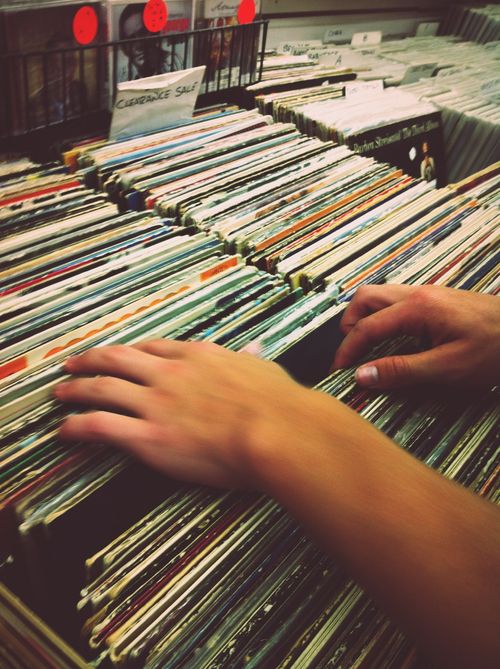
Everything starts outside the studio. Before sampling a single note I spent weeks digging through forgotten vinyl, seventies soul libraries, dirty gospel, dark sixties jazz, film noir scores and Italian giallo soundtracks. The rule is simple. If the source does not already carry that drama and that darkness on its own, it does not make the cut.
This step is invisible to whoever buys the pack, but it defines everything that follows. A beautiful sample badly processed can still be saved. A soulless sample, no matter how much gear you throw at it, will never reach the place we want to be.
2. Sampling and degradation with the Akai S950
The Akai S950 is the cornerstone of this expansion. It is the sampler that built the nineties, the machine responsible for the sound of so many classic hip hop records. It delivers a very particular kind of downsampling, a 12 bit grain that dirties the signal in a musical way, never a destructive one.
My workflow here is direct. I take the source, run it through the S950, drop the sampling rate (sometimes to 26 kHz, sometimes pushing it all the way down to 18 or even 14 kHz when I want that telephone, cavernous tone), apply the internal analog filter and I already have my first layer of character. What goes in as a clean digital recording comes out of the Akai with a life of its own, with that gritty patina that saturation plugins try to imitate and rarely capture.
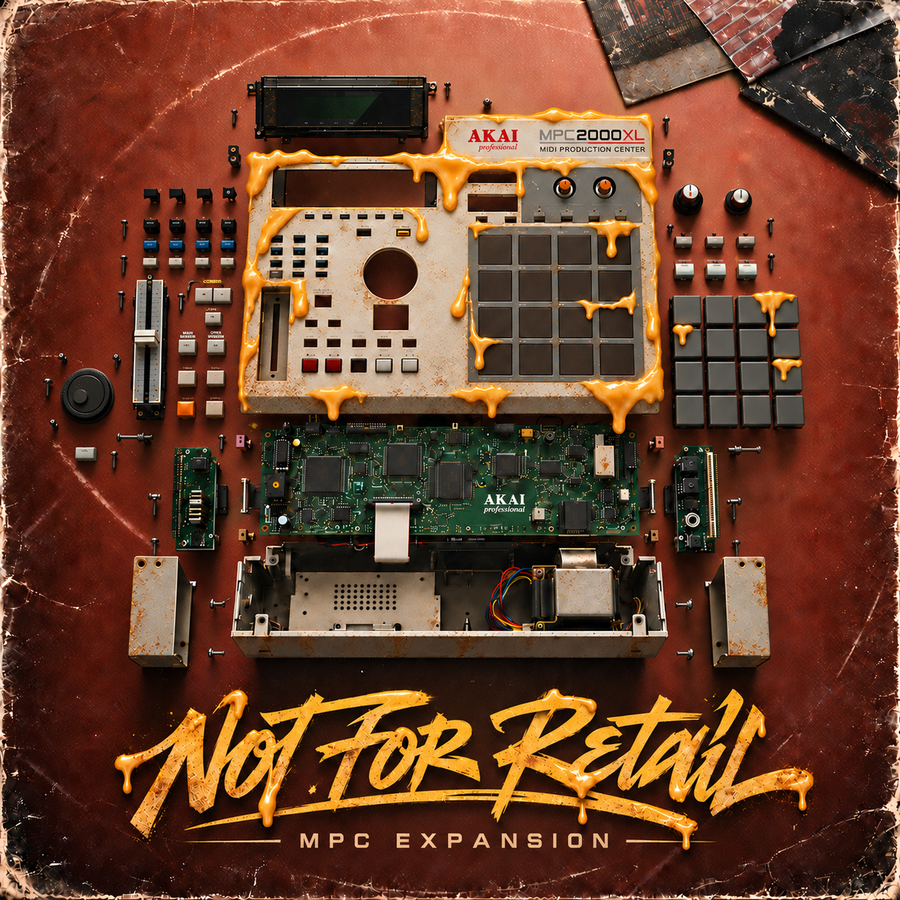
3. Layering and building with the MPC2500
Once I have the degraded material, I move to the Akai MPC2500. This is where the rhythmic magic happens. This is where kits are built, hits are tuned, swing is dialed in and the final voice of each program takes shape.
The MPC2500 has a sequencer with a very particular feel, an analog output stage with real body and filters that are perfect for adding character to short samples. I use it for:
- Slicing and mapping samples into coherent kits
- Applying the classic MPC swing, that push that defines real boom bap
- Resampling layers and combining several hits into a single pad for heavier sounding drums
- Tuning and shaping release on every individual sound
Working inside the MPC2500 forces you to make fast decisions and trust your ears. There is no infinite undo. There is no 4K waveform view. You have to listen. And, paradoxically, that improves the result.
4. Saturation and color with the SP404
The Roland SP404 comes in whenever a sample needs additional texture. Its internal preamp saturates in a very specific way, and its onboard effects (Vinyl Sim, Lo Fi, Compressor, Resonant Filter, DJFX Looper) are directly responsible for the tone you hear on late Madlib records or the entire Knxwledge catalog.
In Tar Prayers the SP404 was used mainly for three things. Adding vinyl dust and crackle to the melodic sounds. Saturating percussion that needed more body. And processing the textures and FX that sit between kits, those atmospheric beds that add depth to a beat without stepping on the vocalist.
5. Compression and final glue with CLA Compressor
Once the sounds are sampled, degraded, layered and colored, the last step kicks in. Final compression with CLA Compressor, the Chris Lord Alge plugin. The goal here is not dynamics control. The goal is glue. To get every element of the kit to sound as if it were tracked in the same room, on the same tape, in the same year.
A very light compression, with fast attack and medium release, riding the plugin's own character, is enough to give the whole pack that final cohesion that defines professional sound. This is one of the most overlooked details in generic sample packs out there and one of the main reasons Tar Prayers sounds different from the very first pad.
6. Inner organization of the expansion
The last step is structural. The MPC works better when kits and programs are sorted with logic. I distributed the sounds into clear families (drum kits, melodic kits, FX, textures), tagged everything consistently and built programs ready to play instantly, with no setup required.
You feel this when you are in the flow. You press one button, load the kit and the pads are already where they should be. No menu diving, no creative momentum lost.
What You Will Find Inside Tar Prayers
Without spoiling every kit (that is for you to discover on first load), these are the main blocks that shape the expansion:
- Dark drum kits: heavy kicks with low click content, tape soaked snares, dampened hats and secondary percussion that adds movement without crowding the mix
- Melodic kits: vinyl coated pianos, saturated Rhodes, dramatic strings, distant horns, sampled and obscured vocals
- Textures and FX: tape noise, vinyl crackle, background atmospheres, cinematic hits for transitions
- Extra one shots: so you can build your own kits combining elements from the expansion
Everything is tuned. Everything is tagged by folder. Everything is designed to function as one connected ecosystem.
Who This Expansion Was Built For
If you recognize yourself in any of these profiles, Tar Prayers will slot into your workflow:
- Beatmakers producing on MPC One, Live or X who want to skip the setup time
- Producers working in the sonic territory of The Alchemist, Daringer, Conductor Williams, Roc Marciano or Knxwledge
- Rapper producers who need dark instrumentals for Griselda, Mach Hommy or Boldy James styled vocals
- Producers coming from lofi who want to step into a more adult, more cinematic boom bap
- Anyone who enjoys real analog sound, not the digital preset version of it
If your lane is bright trap, major key melodies and shiny 808s, this pack is not for you. And that is part of its value. Tar Prayers is not trying to please everyone. It is trying to be the best possible version of a very specific sound.
How Tar Prayers Fits Inside The Soul Chemist Catalog
If you already know other packs from the catalog, here is how Tar Prayers connects with them. Quantum explores the grittier territory inspired by Roc Marciano. No Exit moves toward a more Japanese and minimalist take on the Griselda sound. God is Perfect lives in Madlib territory with SP404 processing. Tar Prayers sits right in the middle of that triangle, with the added value of being a full MPC expansion rather than just a sample pack.
If you want to go deeper into this universe, these are natural references to keep loaded on your machine in parallel.
Frequently Asked Questions About Tar Prayers
Does Tar Prayers work in MPC standalone without a computer?
Yes. The expansion is optimized for MPC One, MPC Live, MPC Live II, MPC X and MPC Key 61 in standalone mode. You do not need a computer to use it.
Can I use the samples in FL Studio, Ableton or Logic?
Yes. While the expansion was designed for MPC workflow, the WAV files can be extracted and loaded into any DAW or sampler.
Are the samples royalty free?
Yes. Every sound included in Tar Prayers is 100% royalty free and can be used in commercial productions with no additional fees.
What gear was used to create the sounds?
The main chain was Akai S950 for sampling and degradation, MPC2500 for kit building and resampling, SP404 for saturation and color, and CLA Compressor at the final stage for cohesion.
How many kits are included in the expansion?
The expansion includes drum kits, melodic kits, FX and textures, all organized and mapped, ready to use. Load, open and create.
How is Tar Prayers different from a regular sample pack?
A sample pack gives you loose sounds. An MPC expansion gives you those sounds already sorted, mapped, tuned and grouped into kits ready to play. You save hours of setup and you keep your creative flow active.
How much does Tar Prayers cost?
Tar Prayers retails at $29 on the Soul Chemist store, with regular promotional pricing available for subscribers.
Do I need previous experience to get the most out of the pack?
No. If you know the basics of your MPC, you can load the expansion and start creating right away. If you have more experience, you will get even more out of the finer details of the processing.
Closing Thoughts
Tar Prayers is not another pack. It is months of focused work aimed at one very clear goal. To give producers living in the dark boom bap lane a tool that respects the hardware spirit of the genre and that, at the same time, fits with zero friction inside the modern MPC workflow.
If you are looking to step into this sound or to strengthen the work you are already doing in it, this expansion was built for that.


Share:
How I Built a Full MPC Expansion From Scratch | Soul Chemist
How to Make Your Drums Sound Dirty and Dusty Like the 90s